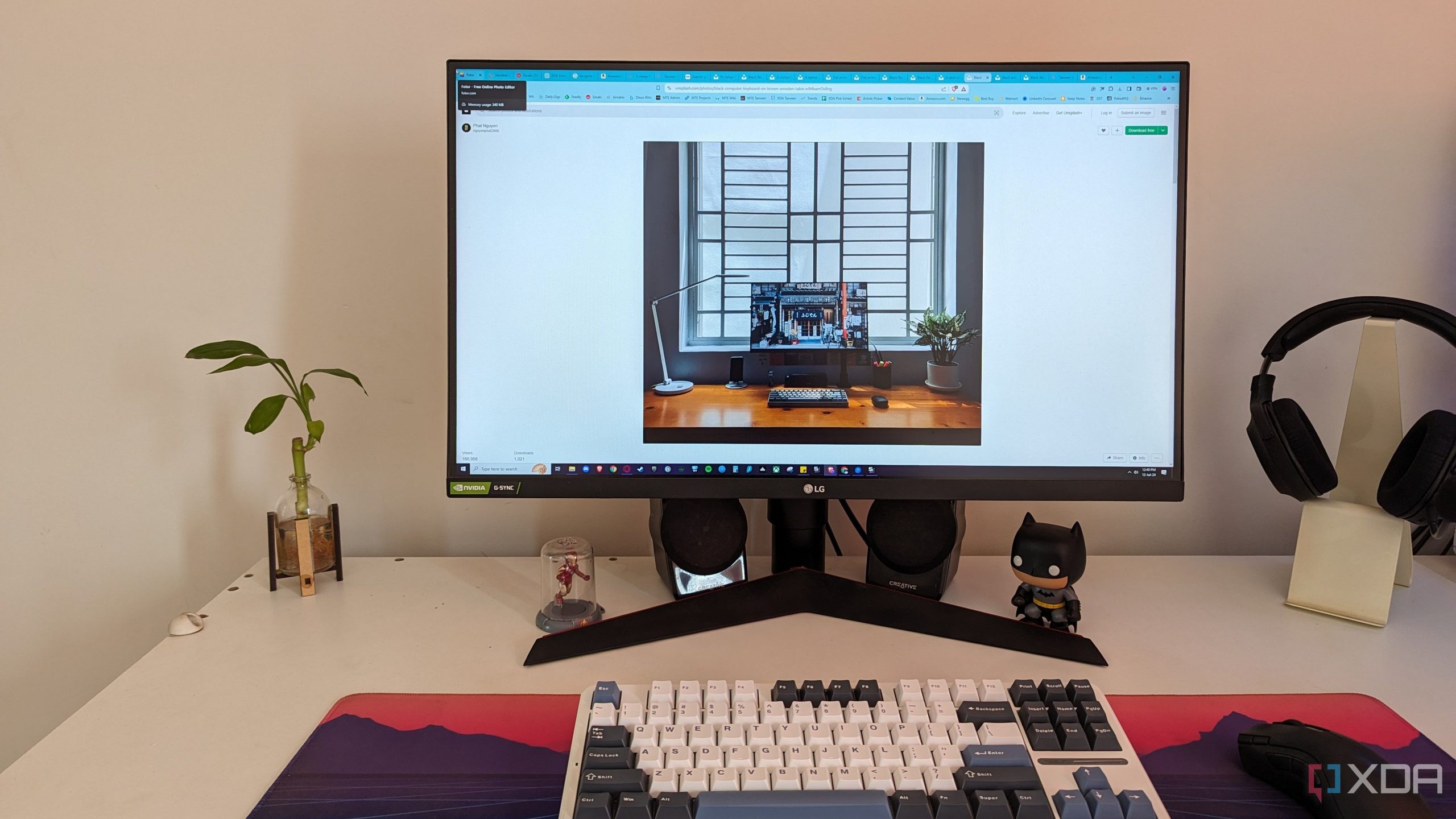
Why OLED Monitors Might Not Be the Best Choice for Everyone
For a long time, it felt like OLED monitors would continue to push the boundaries of display technology while also increasing in price. As the top panel technology on the market, OLEDs have always commanded a significant premium over IPS and other alternatives. However, in recent years, we’ve seen a notable drop in OLED prices, with newer models now available in the $400–$500 range. This shift has made OLED displays more accessible, but whether they are the best choice depends on your specific needs and preferences.
You Want a Work Monitor That You Can Also Game On
OLEDs aren’t as versatile as IPS panels
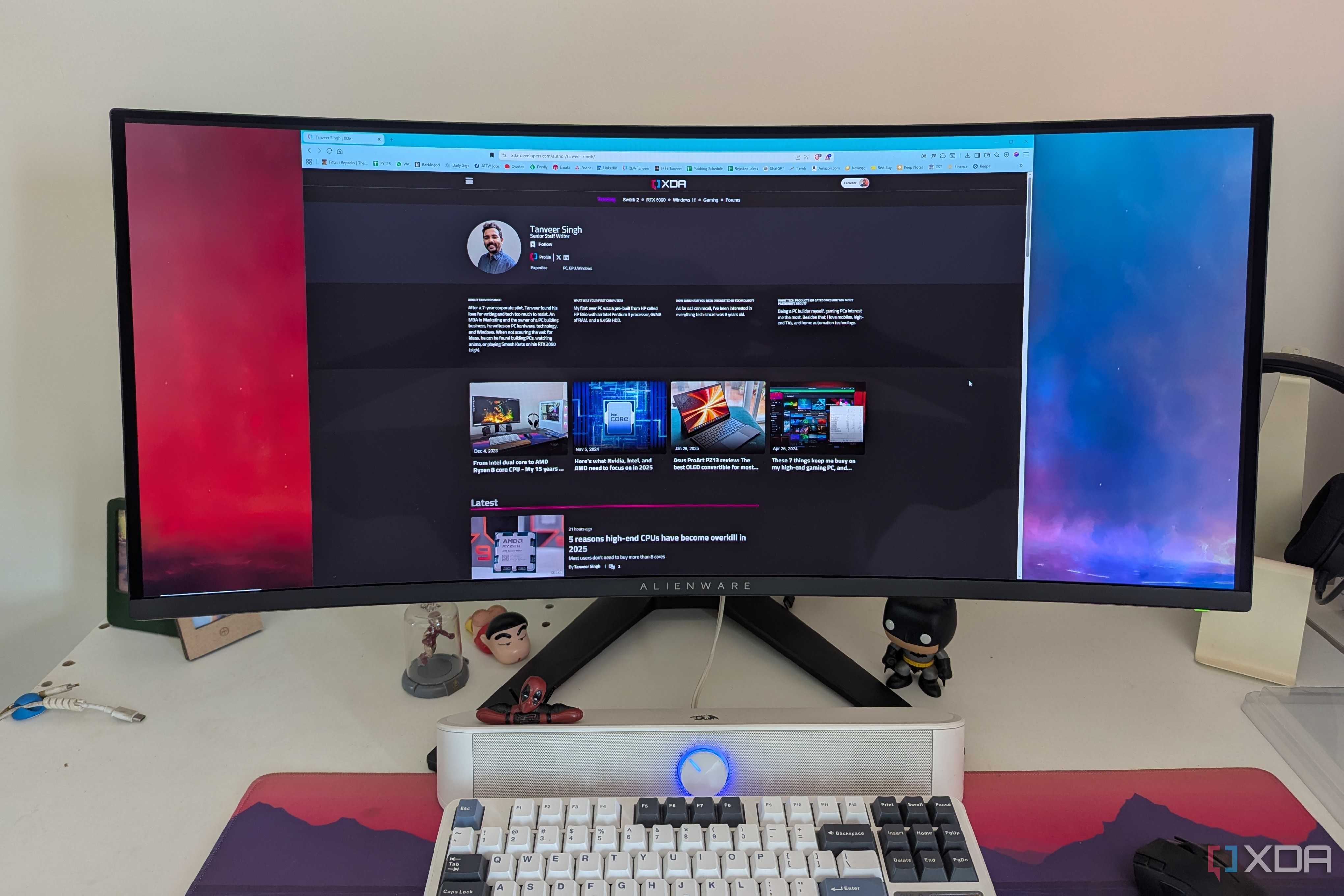
For gamers who want a stunning, high-performance display, there’s nothing quite like an OLED monitor. The self-emitting pixels produce true blacks and offer the best HDR experience possible. Additionally, their near-instantaneous response times ensure excellent motion clarity. However, not everyone uses their PC solely for gaming. Many users seek versatile displays that can handle both work and play. If you’re looking for a high-end monitor that meets professional demands without compromising on gaming performance, an IPS monitor could be a better option.
IPS monitors are known for their accurate color reproduction and good response times. They are ideal for creative professionals due to their true-to-life image quality, while gamers can benefit from the wide range of resolutions, refresh rates, and sizes available. Although OLED displays offer superior image quality and responsiveness, they may not be the best fit for sustained work and productivity tasks. OLEDs often struggle with text clarity compared to IPS monitors, and concerns about burn-in can require changes to your workflow. With IPS monitors, you don’t have to worry about static elements on the screen, and the gaming performance is still impressive.
You Work in a Well-Lit Room
OLEDs can’t get as bright as LED monitors
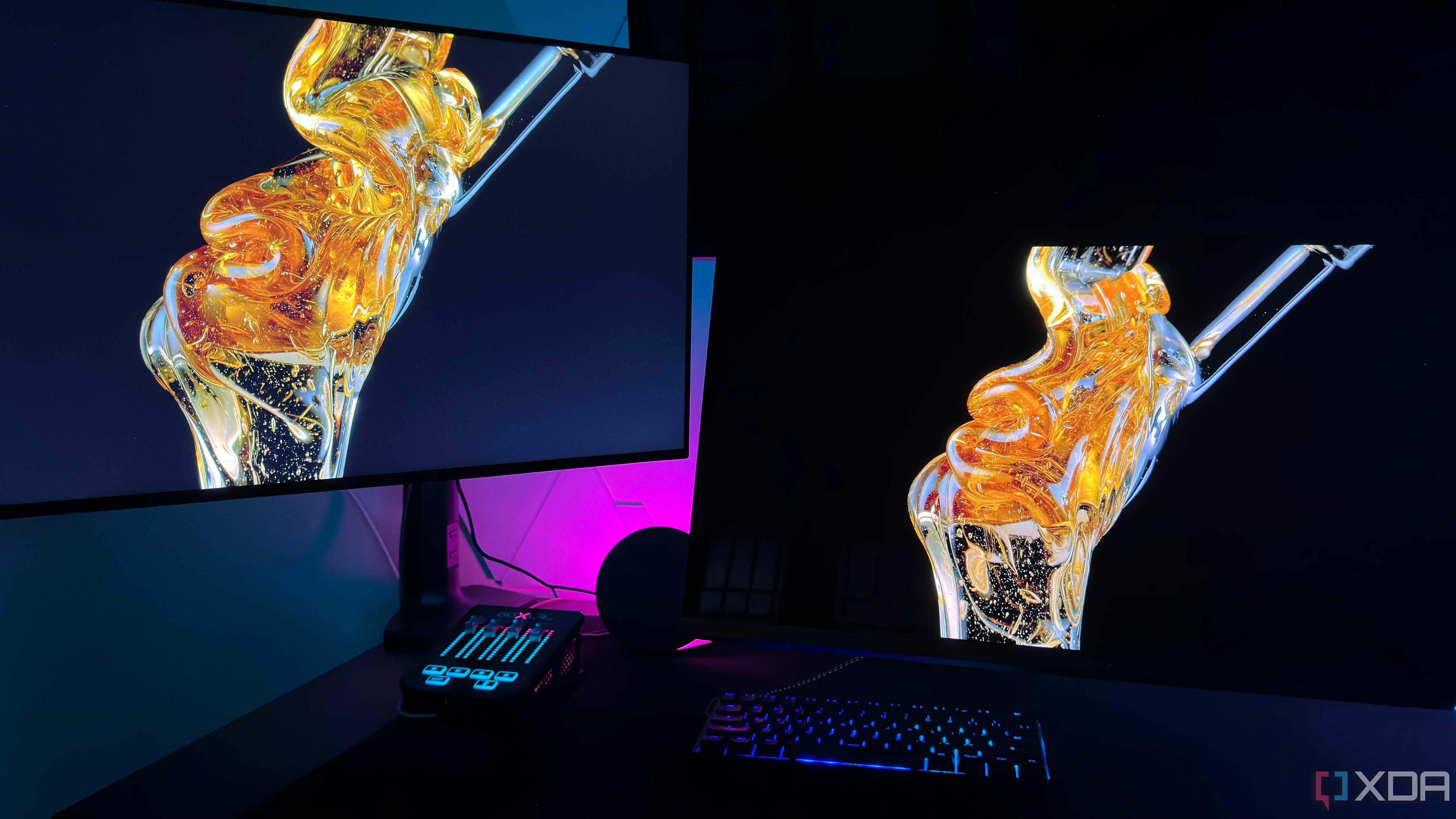
While OLED panels excel in contrast levels, they don’t match the brightness of IPS and other panel types. Newer tandem OLED models have improved in this area, but IPS monitors still lead in full-screen brightness. For example, my older IPS monitor (LG 27GL850) had a maximum SDR brightness of 350 nits, compared to 250 nits on my current OLED monitor (Alienware AW3423DWF). This can make using an OLED display in direct sunlight or under strong lighting conditions slightly challenging.
An IPS display might be bright enough to overcome glare from incoming light, while an OLED monitor could struggle, especially in SDR scenes. Some users can control their lighting conditions, so this might not be a major issue for them. However, if your work involves editing, web browsing, or writing articles during the day, an IPS monitor may be more suitable for your needs. OLED monitors are great for nighttime use, but if you need a display that performs well in daylight, IPS might be the better choice.
You Want the Highest Resolution and Fastest Refresh Rate
High-end OLEDs are still pricey
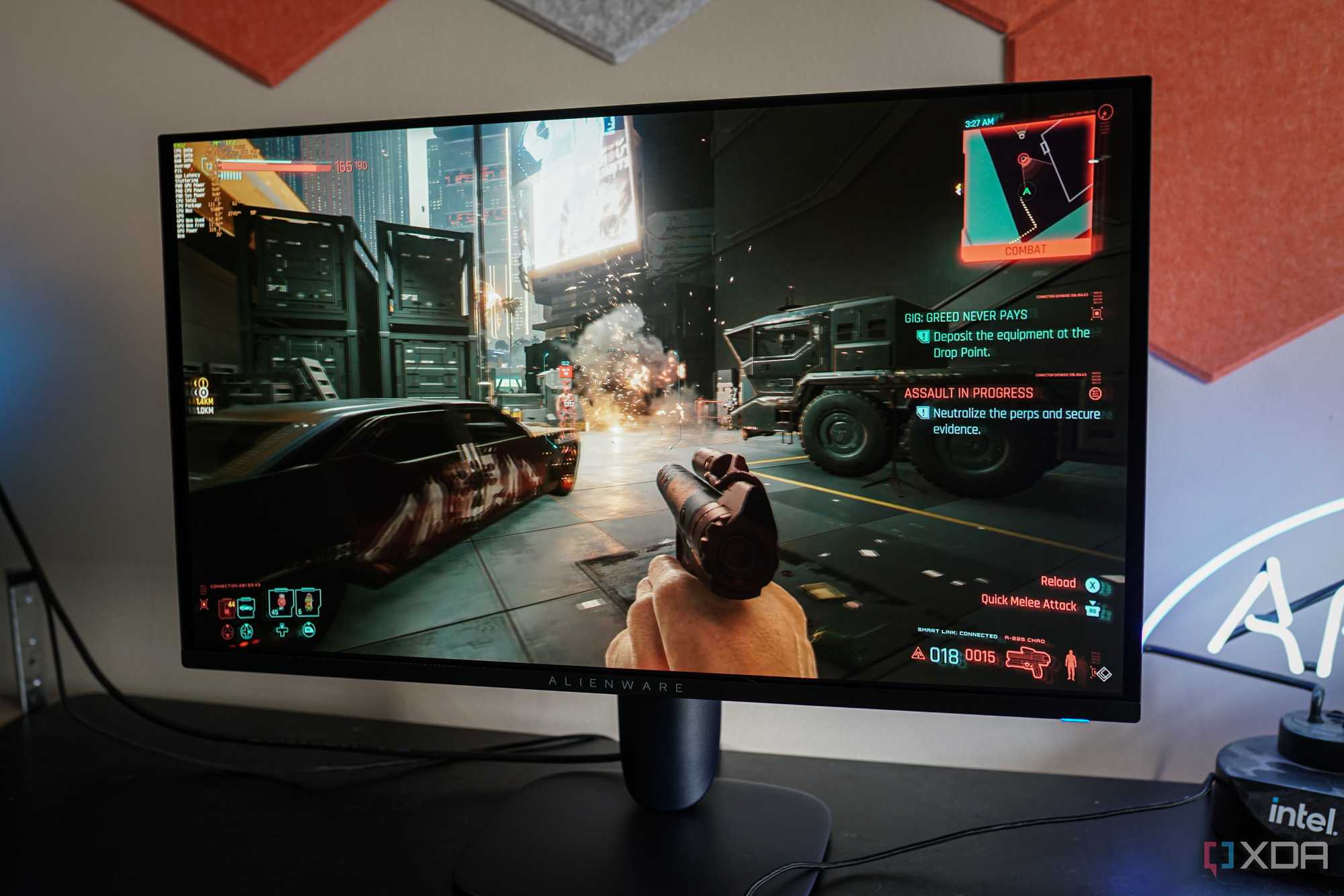
OLED monitors have become more affordable, especially when considering 1440p 180Hz–240Hz options. These models are now available in the $400–$450 range from brands like MSI, AOC, and Samsung, particularly during sales. However, 1440p 360Hz or 4K 240Hz OLED monitors are still rare below $650–$900. These high-end combinations remain in the premium category unless you opt for an IPS monitor.
IPS models from Asus and Acer can offer a 1440p resolution with a 300–320Hz refresh rate in the $250–$350 range. While 4K high-refresh-rate IPS monitors are still expensive, they tend to be cheaper than comparable OLED alternatives. If high-end gaming is your priority but you want to save money, IPS monitors can help you cut costs that you can then invest in a better graphics card or CPU.
You Can’t Live with a Deteriorating Panel
Burn-in can only be delayed, not denied
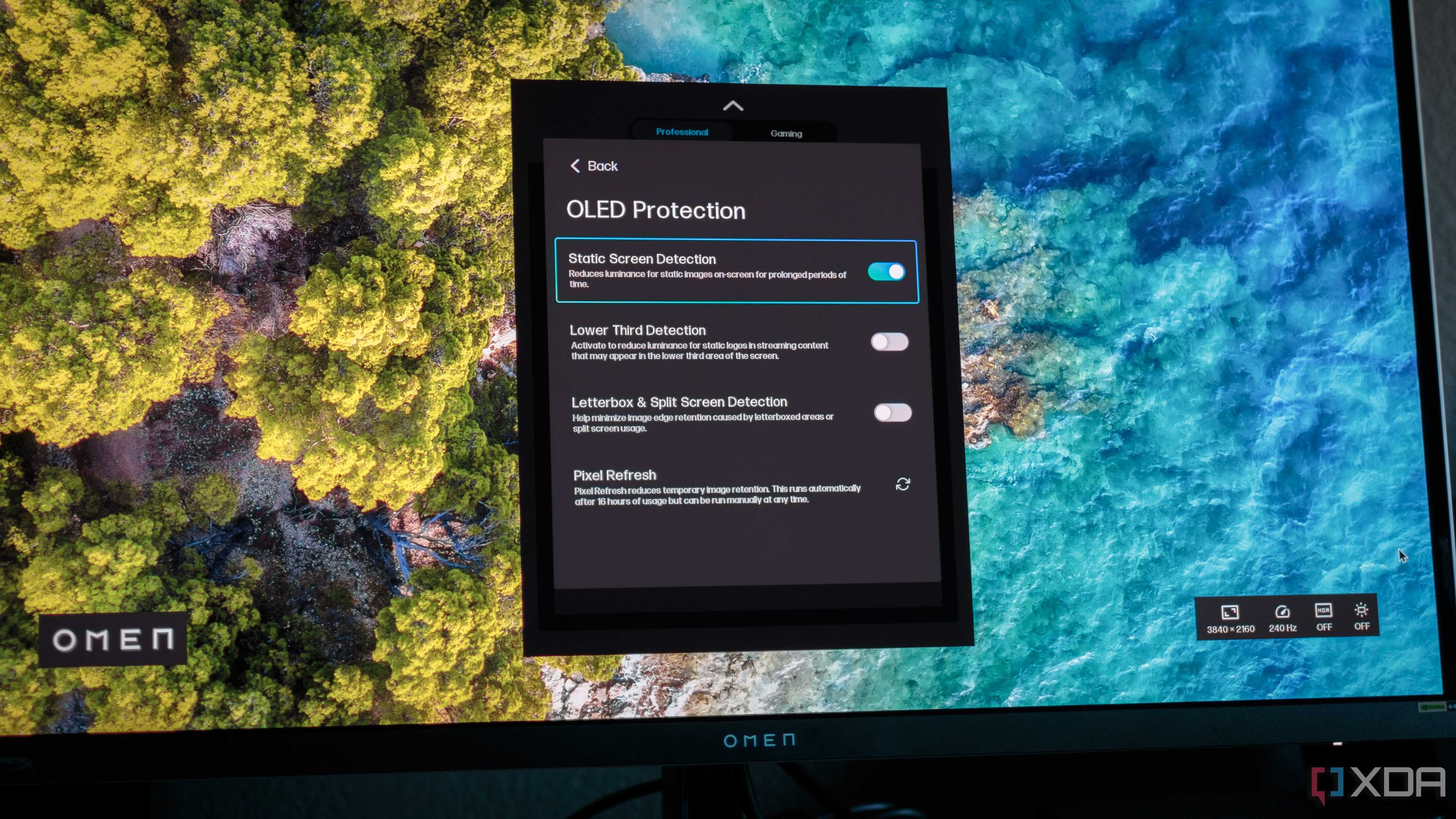
OLED burn-in is an unavoidable reality. It’s a matter of when, not if, with protection mechanisms only able to delay the inevitable. While you can take steps to prevent burn-in, if a gradually degrading panel doesn’t sit right with you, an OLED monitor may not be the best choice. Newer-generation OLEDs have made progress in delaying burn-in, and warranties have improved, but it remains a downside of the technology. It’s simply part of the nature of organic LEDs, and you either accept it or you don’t.
LED panels used in IPS and other monitors are not prone to burn-in and can have a longer lifespan if you purchase a decent model. Your usage and handling will also affect the longevity of your monitor, but OLEDs are always on a timeline. Many people are uncomfortable paying more for a display that requires careful handling and constant vigilance against permanent image retention. If peace of mind is more important to you than superior image quality and performance, a high-end IPS monitor might be the best way forward.
IPS Might Not Have Technical Superiority, But It Might Be the Best Choice for You
OLED monitors represent the pinnacle of panel technology, outperforming IPS and other alternatives in image quality, motion clarity, and HDR experience. However, they aren’t perfect and can even be subpar for certain use cases. IPS monitors remain excellent for gaming and productivity while being more affordable than OLEDs. You don’t have to worry about burn-in or inferior brightness with an IPS monitor, and issues like backlight bleeding can be minimized by choosing the right model.