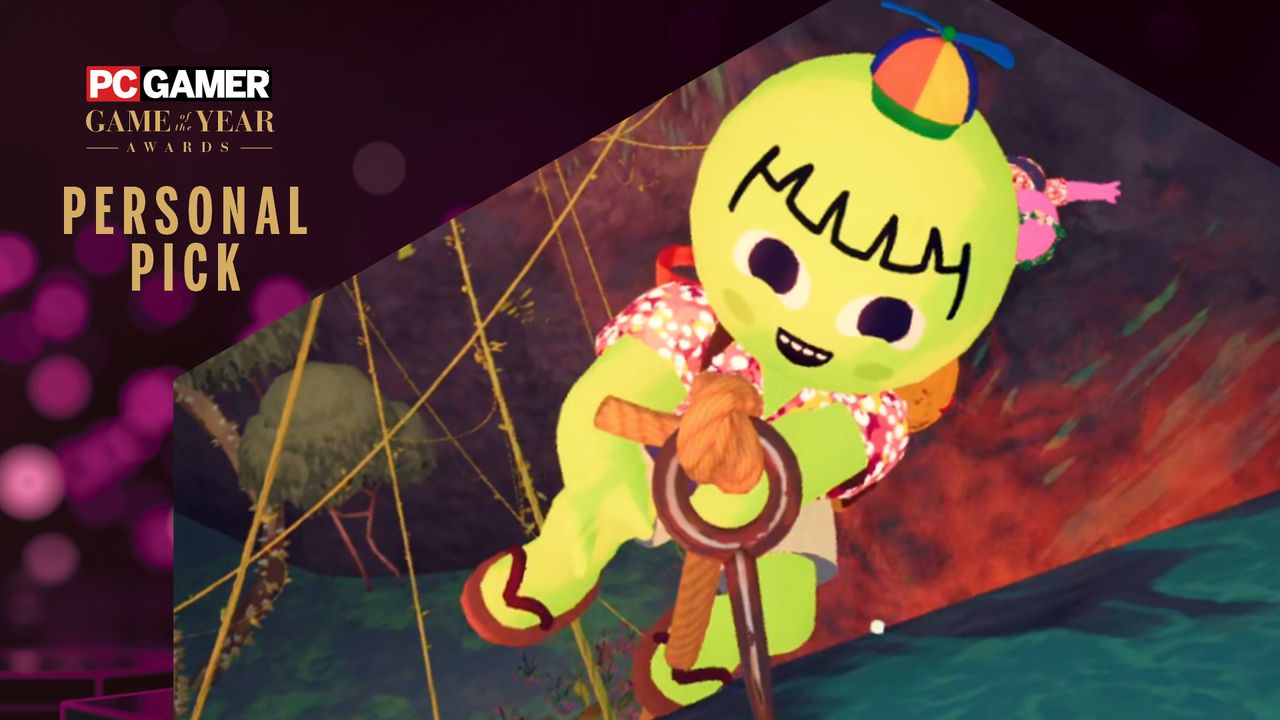
A Journey of Redemption and Teamwork
When I was 11 years old, I found myself lost in the woods. It was part of a school trip where we were divided into groups, given maps and compasses, and sent off on an orienteering adventure without supervision. We were the only group that didn’t make it back. After what felt like an eternity, we were picked up by an adult and taken back to our lodgings. That experience still stands out as one of my biggest failures.
Since then, I haven’t had much need for navigation tools—Google Maps is there for a reason, and even that can be frustrating when my phone struggles to determine which way I’m facing. But even after two decades, I’ve kept that desire to redeem myself.
Give me the city, the forest, the mountain. I’ll orienteer the hell out of that bad boy.
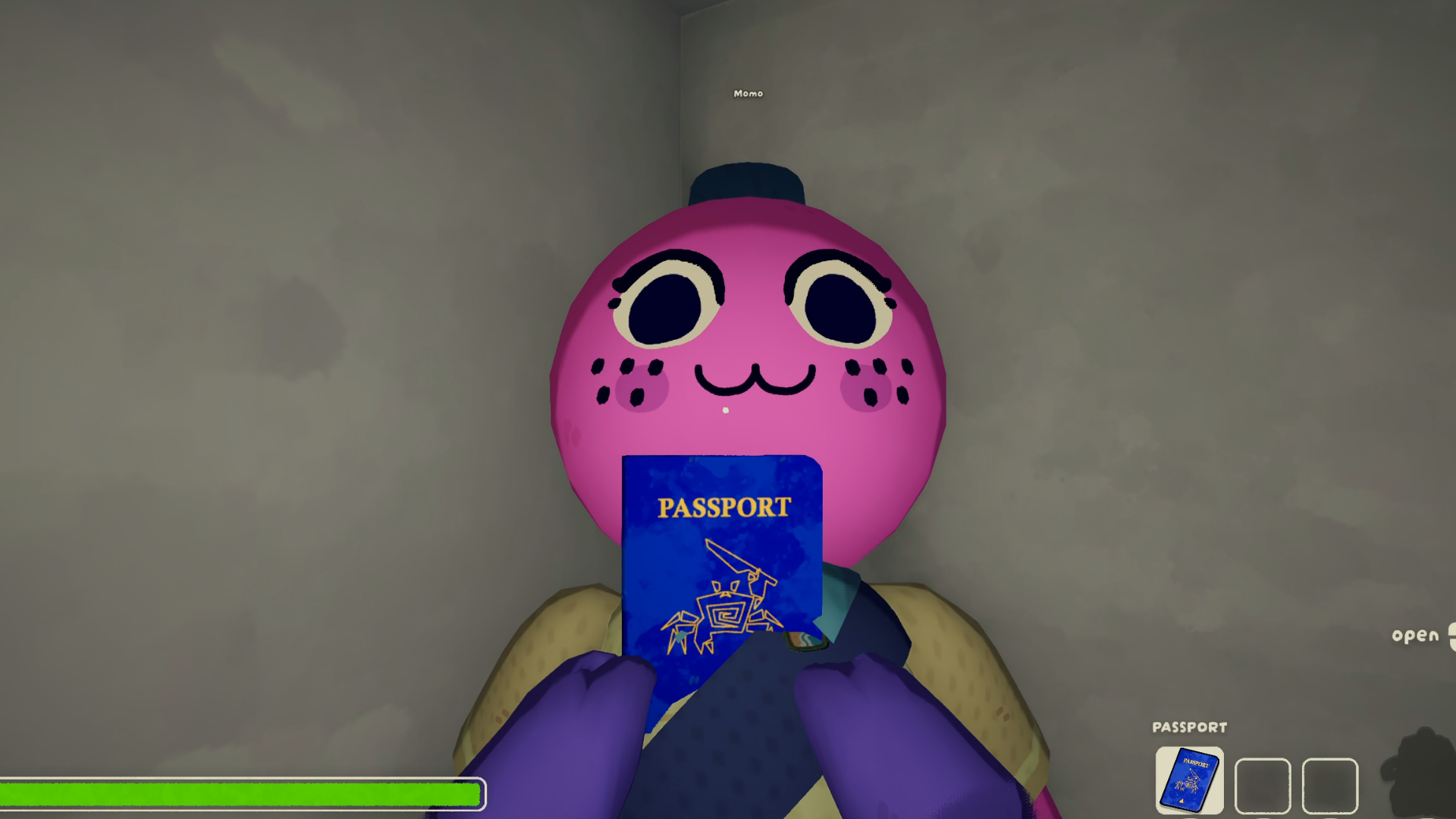
Virtual experiences also count, right? When the climbing game Peak launched earlier this year, it was my chance for redemption. Not just to prove that I could conquer the earth, but to finally become a decorated Scout after earning my Party Planner badge and briefly being a Girl Guide in the late 2000s. Not only did I get to realize both of those dreams, but Peak completely changed my perception of what a good co-op game should be.
Peak Gaming
Like anyone with a Discord server and five dollars in their Steam wallet, co-op games have become a bonding ritual among my friend group. Titles like REPO, Lethal Company, and Phasmophobia are some of the classics. My issue with these games, however, is how easy it is for everyone to split off and do their own thing. Think of the Phasmo passenger princesses who refuse to enter the house, or that one person who sets the truck to leave in REPO while you’re still halfway across the map.
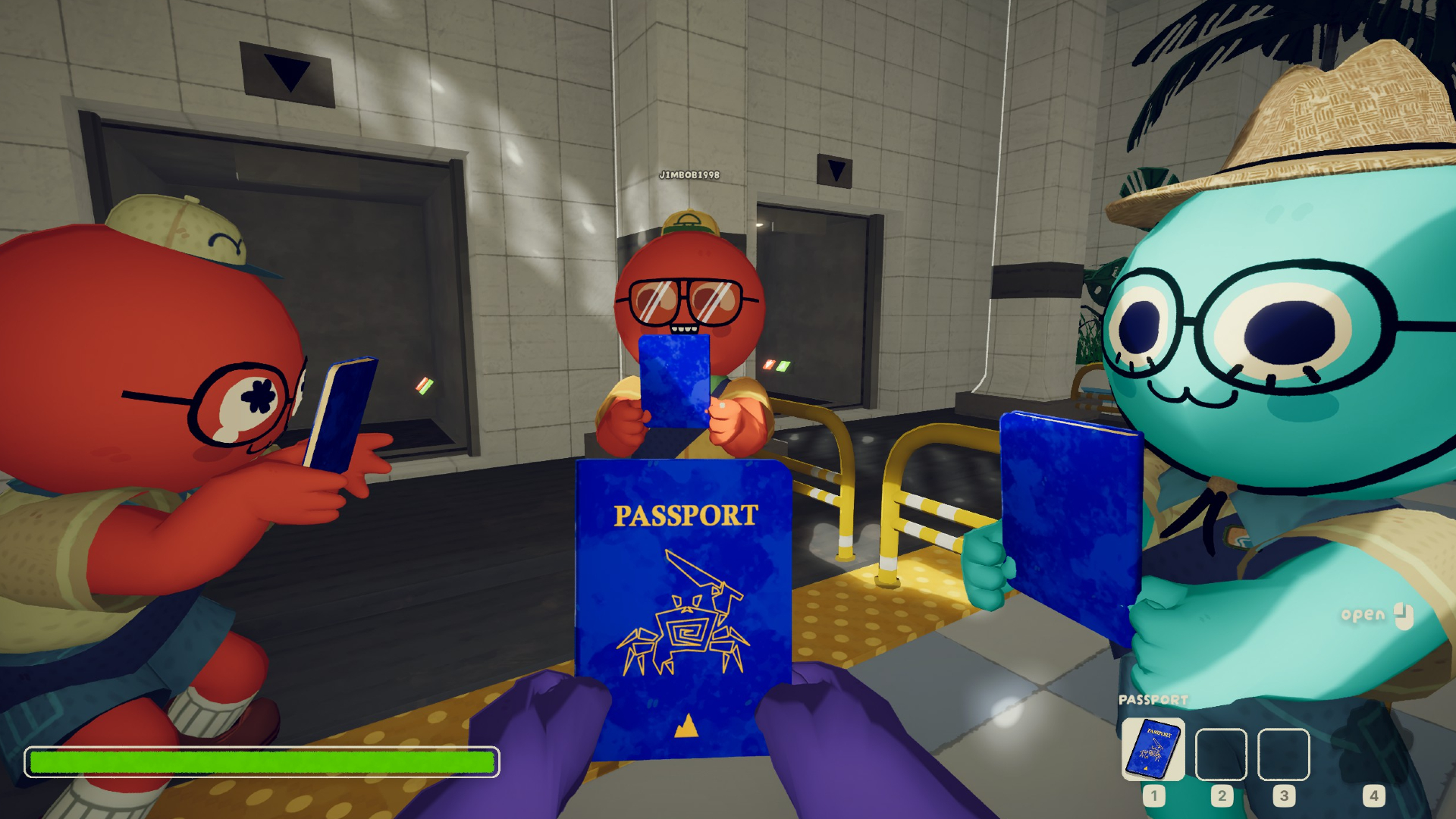
Peak demands teamwork. So much so that if your impatient friend ventures too far off without you, a skeletal monster spawns and flings them off the mountain as punishment. This means I constantly have to stick close to my fellow climbers, for better or worse. No one is left behind, no globular-headed man is abandoned.
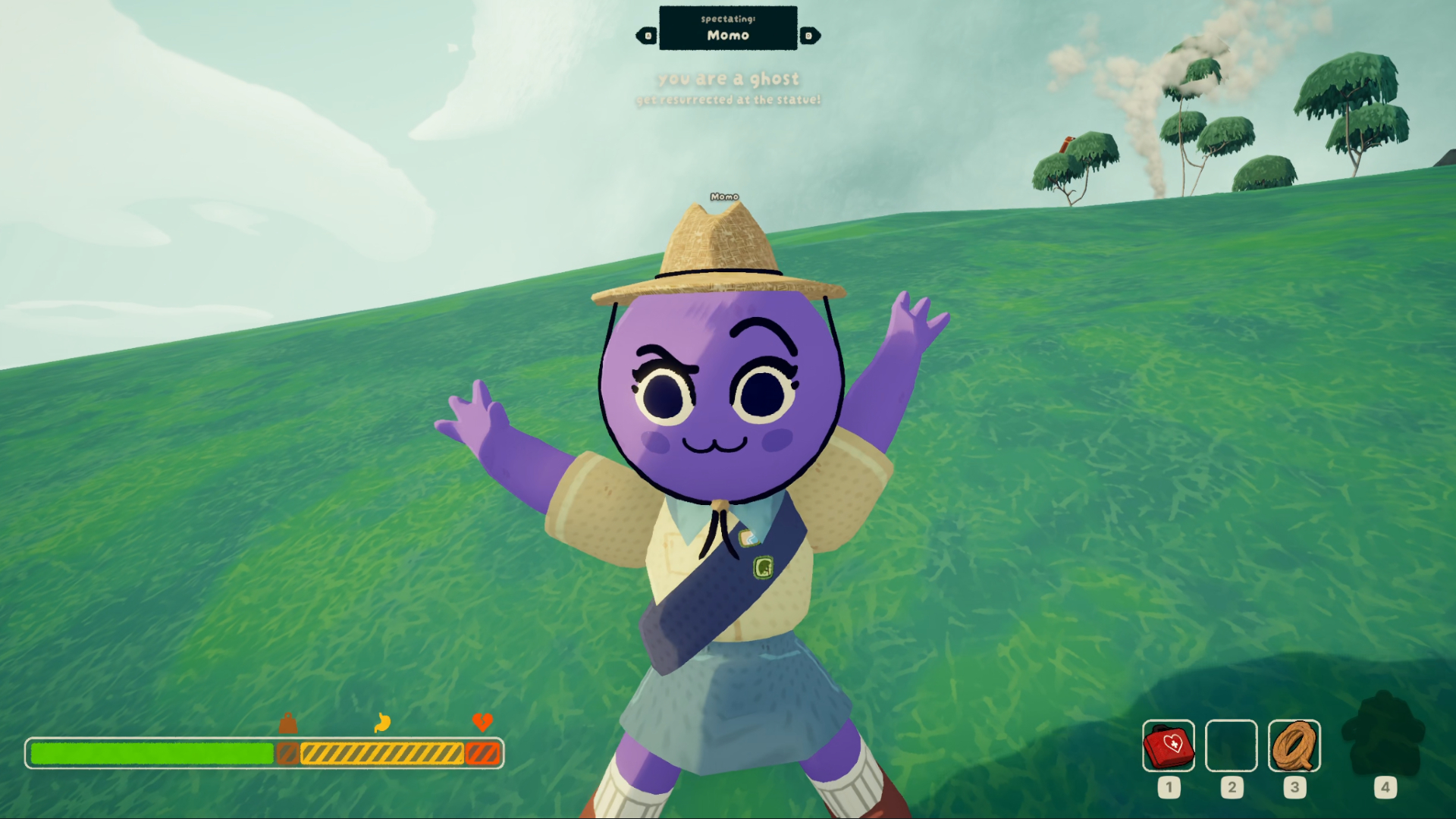
But I kind of love that. Hidden in the chaos of Peak’s mountain-climbing adventures is a series of team-driven decisions: Even from the very beginning, awakening near the crash site with a smattering of items among the debris. Who is the most trustworthy to carry the backpack? How should we divide the snacks?
Do we really need to bring Bing Bong with us?
Maybe one person’s climbing prowess stands above the rest of the gang, letting them be the ones to optimally manoeuvre ahead and then lend a helping hand to pull everyone else up. Another may have been keeping careful track of which berries are poisonous, knowledge that absolutely comes in clutch when everyone’s resources are at their lowest and even a single tick of damage could end the run. Figuring out everyone’s strengths and using them to move as one throughout Peak’s treacherous map is a kind of satisfaction I just haven’t found elsewhere.
While friend-created hijinks and slapstick shenanigans do a lot to drive Peak and its replayability—as many of these co-op ventures do—it’s also just a damn good climbing game. It takes very little time to start being able to feel out whether a certain cliff is doable, or if scaling it would find me plummeting to my death because I didn’t quite have the stamina to manage it. Peak has a real intuitive, tactile feeling to its movement that makes finding an optimal path or knowing exactly where to whack down a piton all that more delightful.
If you ask me though, Peak’s real achievement lies in how it handles resource management. Everything is housed on a single stamina bar, with poor decisions eating away at that precious energy. Fall damage, poison, hunger, carry weight—all of it encroaches on Peak’s most vital resource, making it harder and harder to nail trickier ascents. It’s punchy and incredibly easy to parse at a glance, something that would not be the case if it was all separated into individual meters.
That’s kind of the whole crux of Peak. A rather simple presentation that allows for its more in-depth, complex navigation and climbing to take centre stage. It means I can focus on the important stuff like plotting the best path ahead, or carefully laying a banana peel at the edge of a cliff and baiting my friend straight into it. And then carrying their limp corpse to the very top because I feel bad.
It’s a game that encourages serious teamwork and silly little pranks, and plays both of those sides so well that Peak comes out on top as one of the most creative, enjoyable co-op romps I’ve played since Overcooked drove me to the brink of ending several friendships.